How HVAC Contractors Are Leading the Way in Energy Efficiency
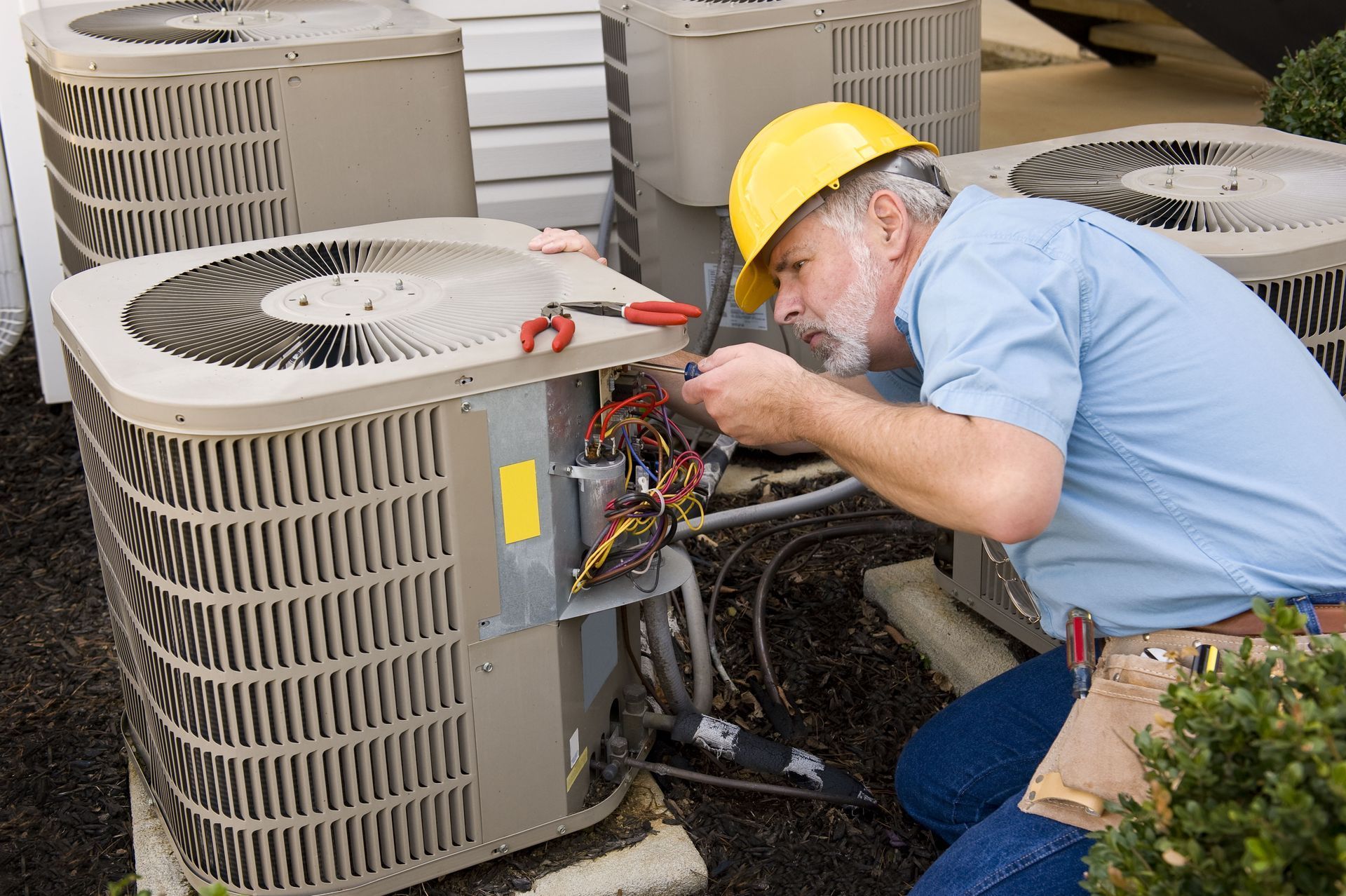
In an era where energy efficiency is more critical than ever, HVAC contractors play a pivotal role in advancing sustainable practices. As the global demand for energy continues to rise, optimizing heating, ventilation, and air conditioning systems becomes crucial. The HVAC industry is not just keeping pace with modern demands, but is actively innovating to meet stringent energy conservation goals. Through a combination of cutting-edge technology and sustainable practices, contractors are shaping a greener future while helping property owners reduce their environmental impact.
Adopting Cutting-Edge Technology
The adoption of high-efficiency HVAC systems marks a substantial leap forward in energy conservation efforts. Equipped with advanced technologies like variable-speed motors and precision controls, they adjust to the thermal requirements of a space in real time. This dynamic operation not only enhances comfort, but also minimizes energy waste. Consequently, these systems embody a synthesis of technological innovation, environmental awareness, and ecological responsibility promoted by modern HVAC contractors.
Moreover, these system upgrades propel the entire industry toward achieving energy efficiency benchmarks set by regulatory bodies. By investing in high-efficiency systems, contractors not only comply with these guidelines, but also elevate industry standards overall. This shift is vital in the face of environmental scrutiny, where high-performance systems offer a dual benefit. As a result, more contractors are recommending these systems, further spurring their adoption across residential and commercial sectors.
Additionally, these systems often include innovative features such as advanced diagnostics and remote monitoring capabilities. This allows homeowners and facilities managers to track and optimize energy consumption patterns. These tech-friendly features offer actionable insights, enabling proactive adjustments that enhance efficiency and longevity. The impact is profound: not only do they reduce immediate energy draw, but they also extend the life of the equipment. Therefore, the broader adoption of these systems is encouraged by initial investments that lead to environmental gains.
Smart thermostats have revolutionized the HVAC landscape, significantly contributing to energy savings while enhancing user convenience. By adjusting heating and cooling patterns based on occupancy and weather forecasts, smart thermostats ensure optimal energy use without compromising comfort. The adaptability of these devices means energy is conserved during idle periods with minimal demand. Thus, they serve as a key tool supported by HVAC contractors striving to maximize efficiency in modern buildings. In the context of energy efficiency, smart thermostats are invaluable because they help eliminate unnecessary energy consumption.
Furthermore, the combined impact of these systems across millions of households contributes to a significant decrease in national energy consumption. Implementing smart thermostat technology reduces peak load demand on power grids, curbing the need for additional power generation during high-demand periods. This reduces strain on energy resources and aids in the fight against climate change by lowering greenhouse gas emissions. HVAC contractors play a pivotal role in promoting these benefits, guiding consumers toward smarter, more efficient choices. The ongoing collaboration between tech companies and contractors ensures innovations continue evolving to set new precedents in energy conservation.
Utilizing Advanced Heat Pumps
Heat pump technology has undergone remarkable advancements, offering an increasingly viable solution for energy-efficient climate control. Modern heat pumps can provide both heating and cooling by transferring heat rather than generating it, making them more efficient than traditional systems. By leveraging renewable energy sources such as ambient air or geothermal gradients, these systems significantly reduce reliance on fossil fuels. The result is a lower carbon footprint and a more sustainable approach to temperature control. With enhanced efficiency, heat pumps are becoming a preferred choice for both residential and commercial applications.
One of the key innovations in heat pump technology is the development of variable-speed compressors. These components allow precise temperature regulation by modulating power consumption based on demand, thereby enhancing system efficiency. Additionally, advanced heat pumps include smart controllers that optimize performance by adjusting modes automatically. This flexibility ensures that heat pumps maintain comfortable indoor climates while using minimal energy. HVAC contractors frequently advocate for these systems because they align with stringent energy efficiency standards and governmental incentives for sustainable infrastructure.
Ensuring Proper Equipment Sizing for Maximum Efficiency
Proper sizing of HVAC equipment is essential for optimizing energy use and maintaining system efficiency. Oversized units often cycle on and off frequently, causing increased energy consumption and decreased equipment lifespan. Undersized systems struggle to meet demand, forcing them to work harder and consume more energy in the process. HVAC contractors meticulously determine the correct equipment size tailored to the building’s size, design, and climate. This customized approach ensures heating and cooling demands are met efficiently, reducing energy waste.
The benefits of correct equipment sizing extend beyond energy savings. When equipment is properly balanced between capacity and demand, indoor comfort and air quality increase significantly. Properly functioning systems maintain stable temperatures and humidity levels, contributing to healthier living and working environments. Contractors leverage advanced tools and methodologies to calculate and verify proper sizing, instilling confidence in system performance.
Moreover, correct sizing contributes to system reliability and longevity. When equipment operates under optimal conditions, it experiences less wear and tear, reducing maintenance issues over time. Contractors emphasize preventive maintenance, performing routine inspections to catch efficiency problems early. Clients benefit as systems operate smoothly and require fewer repairs. This careful attention to detail further elevates the contractor’s role in delivering sustainable HVAC solutions.
Enhancing System Performance Through Ductwork, Sealing, and Insulation
Efficient ductwork design is essential for minimizing energy loss and maximizing HVAC performance. Poorly designed or installed duct systems often cause air leaks, reducing system efficiency. According to Energy Star, HVAC airflow problems can reduce efficiency by up to 15%, highlighting the importance of well-designed ductwork. Contractors use advanced techniques to ensure ducts are properly sealed and insulated, promoting optimal airflow. By enhancing duct system efficiency, HVAC contractors help extend system lifespan.
Effective sealing and insulation techniques are also vital for improving HVAC system performance and indoor comfort. Proper sealing prevents conditioned air from escaping, reducing system workload and energy consumption. Contractors use innovative materials and application methods to ensure exceptional sealing quality. Insulation minimizes thermal transfer between conditioned and unconditioned spaces, further supporting energy efficiency. Combined, these strategies lead to significant reductions in energy use.
Inadequate sealing and insulation contribute to major energy losses, compromising even the most advanced HVAC systems. Contractors perform thorough assessments to identify weak points and recommend tailored solutions. Addressing these issues helps clients maximize return on their HVAC investment and reduce environmental impact. These improvements are especially important in older buildings lacking modern energy-efficient designs. Retrofitting such buildings with updated sealing and insulation solutions results in substantial performance improvements.
Energy efficiency has become a defining priority in today’s residential and commercial environments, and the expertise of contractors remains central to achieving these goals. Through the adoption of advanced technologies and the implementation of sustainable installation practices, these professionals continue to elevate the industry’s standards. Their role extends far beyond equipment installation—they actively shape long-term environmental outcomes, reduce energy consumption, and support healthier indoor spaces. As innovations advance and efficiency requirements grow stronger, HVAC contractors will remain essential partners in building a more sustainable future. By choosing qualified professionals and investing in modern HVAC solutions, property owners can confidently move toward greener, smarter, and more resilient systems. For all of your HVAC needs, contact Chas W. Goering Plumbing, Heating, & Cooling to learn more today!